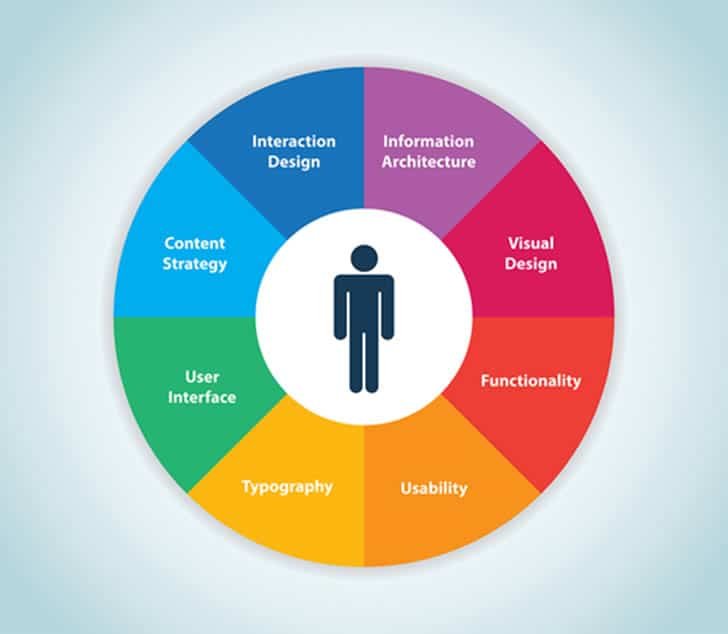
Ever felt that surge of frustration when a website won't cooperate, or the quiet joy when a new app just gets you? That's User Experience (UX) and Service Quality in action, shaping not just how you feel about a product or company, but also its bottom line. In today's competitive landscape, these aren't just buzzwords for designers and techies; they're the invisible architects of customer loyalty, growth, and sustained success.
You see, building a great product or service isn't enough anymore. How people interact with it, how easily they achieve their goals, and how they feel throughout that journey—from initial discovery to post-purchase support—determines whether they'll stick around, recommend you, or jump ship to a competitor. This guide will peel back the layers of User Experience and Service Quality, showing you why they're inseparable, how to measure them, and most importantly, how to bake them into everything you do.
At a Glance: Key Takeaways
- UX is more than just pretty interfaces: It encompasses every aspect of a user's interaction with a company, its products, and services, focusing on ease of use, satisfaction, and emotional connection.
- Service Quality is the broader embrace: It's the overall perception of the service encounter, from delivery to support, and forms the holistic context for UX.
- They're two sides of the same coin: You can't have excellent UX without good service quality, and vice versa. They both aim to meet customer needs seamlessly.
- Measurable Impact: High-quality UX and service directly correlate with customer referrals, satisfaction, revenue, and profits.
- Foundational Principles: Usability, usefulness, and emotional impact are core to UX. Universal Design and Accessibility ensure products work for everyone.
- Integration is Key: Weaving UX methods into agile development requires collaboration and clear communication to preserve design fidelity.
- Ethical Imperative: Designing for transparency, privacy, and avoiding manipulative "dark patterns" is crucial for building trust.
Beyond the Buzzword: What is User Experience (UX), Really?
For a long time, "usability" was the gold standard in human-computer interaction (HCI). It focused on whether users could effectively, efficiently, and satisfyingly accomplish tasks with a digital product. But as technology matured and customer expectations soared, a new, broader concept emerged: User Experience (UX).
UX isn't just about whether a button works or if a navigation menu is logical. It's the entire symphony of interactions a person has with a company, its products, and its services. Think about it: does the product feel good to use? Does it make you smile, or sigh in exasperation? Does it anticipate your needs or constantly throw roadblocks? That's UX.
It acknowledges that effective design extends far beyond the screen. It means creating products that are a joy to own and use, marked by simplicity and elegance. This requires a seamless merging of multiple disciplines, from engineering to marketing, and from graphical design to industrial design. Where usability might focus on the functionality of an alarm clock, UX considers the entire experience of waking up with it: the pleasantness of the sound, the ease of setting it, the aesthetic appeal on your nightstand, and even how you feel about the brand.
UX vs. Usability: The Crucial Distinction
While often used interchangeably, it's vital to understand that usability is a component of UX, not a replacement for it.
- Usability is pragmatic: It assesses the quality of interaction based on effectiveness (can users achieve their goals?), efficiency (how quickly/easily?), and satisfaction (do they find it pleasant?). It's measured by performance goals like learnability, safety, and accessibility.
- User Experience (UX) is holistic and emotional: It expands beyond mere performance to include emotional impact, usefulness, and overall user satisfaction. It addresses new design requirements like ambience, aesthetics, and social context. It's about how a user feels when interacting with a product or service, aiming for hedonic goals like pleasure, fun, and pride of ownership.
In essence, a product can be usable but have poor UX. Imagine a highly functional, but clunky and visually unappealing piece of software. It gets the job done (usable), but it's not a joy to use (poor UX). True quality UX creates efficient, effective, safe, and enjoyable tools that truly help users achieve their goals, fostering a positive emotional connection.
The Pillars of a Great User Experience
To craft truly compelling experiences, designers and businesses must focus on three core components, further enhanced by principles of inclusivity.
Usability: The Foundation of Function
At its heart, usability ensures a product is practical and easy to operate. This is the bedrock upon which all other positive experiences are built. Key aspects include:
- Learnability: How easy is it for users to accomplish basic tasks the first time they encounter the design?
- Efficiency: Once learned, how quickly can users perform tasks?
- Memorability: When users return after a period of not using the product, how easily can they re-establish proficiency?
- Error Prevention & Recovery: How does the design prevent errors, and how gracefully does it help users recover when errors do occur?
- Satisfaction: Is the design pleasant to use?
Without good usability, any attempt at a delightful UX will fall flat. If your users struggle with basic functions, they won't stick around long enough to appreciate any deeper aesthetic or emotional elements.
Usefulness: Solving Real Problems
A product can be perfectly usable and aesthetically pleasing, but if it doesn't solve a genuine problem or fulfill a real need, it's ultimately useless. Usefulness refers to the functional capability of a product or service to accomplish a user's goals.
- Does it meet a real need? Is there a demand for what you're offering?
- Does it add value? Does it make a user's life easier, more productive, or more enjoyable?
- Is it functional? Does it perform its intended purpose effectively?
If your product is highly usable but utterly useless, you won't have any users. The best UX seamlessly integrates ease of use with powerful functionality that truly matters to its audience.
Emotional Impact: The Joy of Interaction
This is where UX truly differentiates itself from mere usability. Emotional impact encompasses the subjective feelings a user experiences: pleasure, fun, excitement, frustration, satisfaction, or even pride of ownership. It's about creating an experience that resonates on a deeper, human level.
Consider products known for their strong brand identity and loyal fan bases. Much of this stems from the positive emotional connection users feel. This impact is influenced by:
- Aesthetics: Visual design, branding, and overall look and feel.
- Ambience: The mood or atmosphere the product evokes.
- Delightful interactions: Subtle animations, clever feedback, or unexpected touches that make an experience special.
- Perceived value: Does the product feel premium, innovative, or reliable?
When a product evokes positive emotions, it fosters loyalty and advocacy. Users become emotionally invested, seeing the product not just as a tool, but as a valued part of their lives.
Universal Design: UX for Everyone
Great UX isn't just for the majority; it's for everyone. Universal Design (UD) is a framework that ensures products and environments are usable by all people, to the greatest extent possible, without the need for adaptation or specialized design. Its seven core principles guide this inclusive approach:
- Equitable Use: The design is useful and marketable to people with diverse abilities.
- Flexibility in Use: The design accommodates a wide range of individual preferences and abilities.
- Simple and Intuitive Use: Use of the design is easy to understand, regardless of the user's experience, knowledge, language skills, or current concentration level.
- Perceptible Information: The design communicates necessary information effectively to the user, regardless of ambient conditions or the user's sensory abilities.
- Tolerance for Error: The design minimizes hazards and the adverse consequences of accidental or unintended actions.
- Low Physical Effort: The design can be used efficiently and comfortably and with a minimum of fatigue.
- Appropriate Size and Space for Approach and Use: Appropriate size and space are provided for approach, reach, manipulation, and use regardless of user's body size, posture, or mobility.
Embracing UD from the outset leads to better products for everyone, not just those with specific disabilities.
Accessibility: Meeting WCAG Standards
Closely related to Universal Design, accessibility specifically focuses on making products usable for people with disabilities. Web Content Accessibility Guidelines (WCAG 2.0) provide a globally recognized standard, built on four main principles:
- Perceivable: Information and user interface components must be presentable to users in ways they can perceive (e.g., text alternatives for images, captions for audio).
- Operable: User interface components and navigation must be operable (e.g., keyboard navigable, sufficient time to read content).
- Understandable: Information and the operation of the user interface must be understandable (e.g., readable text, predictable functionality).
- Robust: Content must be robust enough that it can be interpreted reliably by a wide variety of user agents, including assistive technologies.
Prioritizing accessibility isn't just a legal requirement in many regions; it's a moral imperative and good business practice, expanding your potential user base and enhancing the experience for all.
Why Service Quality is the Other Side of the UX Coin
While UX often focuses on the direct interaction with a product or digital interface, Service Quality encompasses the broader, end-to-end customer journey. It's the overarching perception of all service encounters a customer has with a company.
Think of it this way: a beautifully designed app offers incredible UX, but if customer support is non-existent, product delivery is delayed, or billing is consistently incorrect, the overall impression of the service will be negative. This negative service quality can quickly undermine even the most stellar UX.
Service quality refers to the customer's judgment of the overall excellence or superiority of the service. It includes factors like:
- Reliability: The ability to perform the promised service dependably and accurately.
- Responsiveness: Willingness to help customers and provide prompt service.
- Assurance: Knowledge and courtesy of employees and their ability to convey trust and confidence.
- Empathy: Caring, individualized attention provided to customers.
- Tangibles: Appearance of physical facilities, equipment, personnel, and communication materials.
How UX and Service Quality Intertwine
UX and Service Quality are intrinsically linked, forming a seamless chain that determines customer satisfaction and loyalty. They aren't separate departments; they are two essential lenses through which to view and optimize the customer's journey.
For instance, consider the process of ordering food delivery. The app's interface (its ease of navigation, clarity of menus, seamless payment flow) is pure UX. But what happens after you hit "order"? The accuracy of the order, the politeness of the delivery driver, the punctuality of the delivery, and the responsiveness of customer support if something goes wrong – these are all aspects of service quality.
A customer's decision to use a service like Uber Eats, for example, isn't just about the app's functionality; it's about the entire service experience—how easy it is to find what you want, how reliably it gets to you, and how well issues are handled. Exploring the complete value proposition of such services requires considering both dimensions, as highlighted when you're Understanding Uber Eats Value. If any part of this chain breaks down, the entire experience suffers, regardless of how excellent individual components might be.
Ultimately, both UX and Service Quality aim to meet customer needs without fuss and create products and services that are a joy to own and use. They represent a holistic commitment to the customer, from the micro-interactions on a screen to the macro-interactions with a brand.
The Tangible Payoff: UX & Service Quality Drive Business Success
Investing in high-quality UX and Service Quality isn't just about being "nice to customers"; it's a strategic business imperative with a measurable impact on your bottom line.
- Increased Customer Satisfaction & Loyalty: When users have seamless, intuitive, and delightful experiences, they are more satisfied. Satisfied customers are loyal customers, less likely to churn and more likely to make repeat purchases.
- Higher Customer Referrals & Advocacy: Task success and ease strongly correlate with metrics like the System Usability Scale (SUS), overall satisfaction, and Net Promoter Score (NPS). A high NPS, in particular, indicates that customers are enthusiastic promoters of your brand, leading to valuable word-of-mouth referrals and reduced marketing costs. This directly relates to revenue and profits.
- Reduced Support Costs: A well-designed product with clear instructions and intuitive interfaces significantly reduces the need for customer support. Fewer calls, emails, or chat inquiries mean lower operational costs and a more efficient support team.
- Enhanced Brand Reputation: Companies known for their exceptional user experiences and stellar service quality build a strong, positive brand image. This reputation attracts new customers, top talent, and fosters trust in the marketplace.
- Competitive Advantage: In a crowded market, superior UX and Service Quality can be the ultimate differentiator. When competitors offer similar features, the one that offers the most pleasant and reliable overall experience wins.
- Improved Conversion Rates: A frictionless user journey, from discovery to purchase, leads to higher conversion rates on websites, apps, and other digital platforms. Easier forms, clear calls to action, and intuitive flows reduce abandonment.
ISO usability metrics (efficiency, effectiveness, and satisfaction) at the task level provide a numeric proxy for UX quality, offering concrete data points that can be tracked and improved, directly contributing to these business benefits.
Measuring What Matters: Quantifying UX & Service Quality
You can't improve what you don't measure. Evaluating UX and Service Quality requires a blend of quantitative, subjective, and objective methods to gain a comprehensive understanding of user interactions and overall satisfaction.
Quantitative Methods: Performance and Behavior
These methods focus on measurable data points, often related to user performance and behavior.
- User Performance on Tasks: This includes metrics like:
- Time on task: How long it takes users to complete a specific action.
- Error rates: How many mistakes users make during a task.
- Task success rate: The percentage of users who successfully complete a task.
- Ease of use scores: Often collected post-task to gauge perceived difficulty.
- These task-level metrics correlate strongly to broader UX metrics like the System Usability Scale (SUS), overall satisfaction, and Net Promoter Score (NPS).
- Think-Aloud Protocols: Users vocalize their thoughts, feelings, and actions as they interact with a product, providing rich qualitative data alongside quantitative observations.
- Critical Incident Identification: Users report specific instances where they encountered significant problems or exceptionally positive experiences.
Subjective Methods: User Perceptions and Feelings
Subjective methods gather direct feedback from users about their perceptions, attitudes, and emotional responses.
- Questionnaires:
- System Usability Scale (SUS): A simple, 10-item questionnaire providing a quick, reliable measure of perceived usability.
- Usefulness, Satisfaction, and Ease of Use (USE) Questionnaire: A comprehensive tool assessing multiple facets of UX.
- Questionnaire for User Interface Satisfaction (QUIS): Another widely used questionnaire for evaluating user interface quality.
- These are easy to administer and inexpensive but are subject to self-reporting bias, as users might not always accurately recall or articulate their true feelings.
- Semantic Differential Scales (e.g., AttrakDiff): These scales use bipolar adjective pairs (e.g., "boring – exciting," "complicated – simple") to capture emotional impact and hedonic qualities of a product.
Objective Methods: Deeper Physiological Insights
For deeper, less explicit insights, objective methods measure physiological and neurological responses. These are valued for their reliability and implicitness, as they bypass conscious self-reporting.
- Eye Tracking: Monitors where users look, what catches their attention, and their visual scanning patterns.
- Electrodermal Activity (EDA): Measures changes in sweat gland activity, indicating emotional arousal or stress.
- Facial Expression Analysis: Detects and interprets human emotions from facial cues.
- Electroencephalography (EEG), Magnetic Resonance Imaging (MRI), Functional MRI (fMRI): Advanced neurological measures that can detect brain activity related to cognitive load, emotional response, and engagement, though often more complex and costly to implement.
UX Inspection Methods: Expert-Driven Analysis
These methods involve experts evaluating designs against established principles, useful especially in early stages or with limited testing resources.
- Heuristic Evaluation: Expert teams analyze a design against a set of recognized usability principles (heuristics, e.g., Nielsen's 10 Heuristics). They identify potential issues and rate their severity.
- Cognitive Walkthroughs: Experts "walk through" tasks from a user's perspective, identifying potential problems users might encounter.
By combining these diverse measurement approaches, organizations can gain a holistic view of their UX and Service Quality, identifying specific areas for improvement and tracking progress over time.
Building Great Experiences: UX in the Development Lifecycle
Integrating quality UX into the software development lifecycle (SDLC) is crucial, yet it often presents unique challenges, especially with the prevalence of agile methodologies.
Integrating UX with Agile
Agile development, characterized by rapid, iterative development cycles, requires a flexible approach to UX. While rigorous, comprehensive UX processes are ideal for complex systems, abridged versions are often used for short schedules and limited budgets. The key is to embed UX activities at every stage, not just as a separate, upfront phase.
- Discovery & Research: Early iterations should involve user research (interviews, surveys, contextual inquiry) to understand user needs and inform initial design.
- Design Sprints & Prototyping: Rapid prototyping and design sprints allow UX designers to quickly create and test ideas with users, iterating based on feedback.
- User Stories & Backlog Prioritization: UX insights help refine user stories and prioritize features in the product backlog, ensuring development effort focuses on what truly matters to users.
Collaboration and Hand-offs: The "Contract" of Design
One of the most critical phases is the hand-off between UX and software engineering (SE) teams. This is where design fidelity can be lost if communication isn't crystal clear.
- Interaction Design Specifications: These act as a "contract" for development, detailing design states and interactions to ensure accurate implementation. They can include:
- Annotated Prototypes: Interactive prototypes with detailed notes explaining functionality, transitions, and edge cases.
- Wireframes & Flowcharts: Outlining the structure and flow of the interface.
- High-Fidelity Visual Comps: Detailed visual designs showing the final look and feel.
- Design Systems: Reusable components, patterns, and guidelines that ensure consistency across products.
- Shared Understanding: Regular meetings, joint workshops, and shared documentation (e.g., Jira tickets with attached designs) foster a shared understanding of the user problem and the proposed solution.
Ongoing Involvement and QA
UX involvement shouldn't end at hand-off. Ongoing collaboration and UX team involvement in Quality Assurance (QA) are necessary to catch design deviations and ensure the implemented product truly reflects the intended user experience. UX designers can help define acceptance criteria related to usability and experience, not just functionality.
Challenges in Practice
Despite the best intentions, integrating UX into the SDLC faces challenges:
- Lack of Robust UX Lifecycle Concepts: Traditional SDLCs haven't always fully supported the iterative and discovery-driven nature of the UX lifecycle.
- Efficient Adaptation in Agile: Finding efficient ways to adapt rigorous UX methods to fast-paced agile environments without losing critical design details or user insights is an ongoing challenge.
- Bridging the Gap: Fostering a truly collaborative, empathy-driven culture between design and engineering teams is paramount.
Overcoming these challenges requires strong leadership, clear communication channels, and a shared organizational commitment to the value of UX.
The Future is Now: AI, Ethics, and Evolving UX
The landscape of User Experience is constantly evolving, driven by technological advancements and a growing awareness of ethical responsibilities.
AI & Personalization
Artificial Intelligence (AI) and Machine Learning (ML) are transforming UX, enabling more personalized and adaptive experiences.
- Personalized Content & Recommendations: AI algorithms analyze user behavior to deliver highly relevant content, product recommendations, or customized interfaces, making experiences feel more intuitive and tailored.
- Intelligent Chatbots & Virtual Assistants: AI-powered chatbots provide instant responses, guide users through complex tasks, and offer 24/7 support, significantly enhancing service quality and user convenience.
- Predictive UX: AI can anticipate user needs, pre-filling forms, suggesting next steps, or adjusting interfaces before the user even explicitly requests it, creating incredibly fluid interactions.
Ethical UX Design: Avoiding Dark Patterns and Ensuring Trust
As technology becomes more pervasive, the ethical implications of design choices are paramount. UX designers have a responsibility to create experiences that empower users, not manipulate them.
- Avoiding Dark Patterns: These are user interface designs that intentionally trick users into doing things they might not otherwise do (e.g., signing up for newsletters, making unplanned purchases, or sharing more data than intended). Ethical UX design actively avoids these manipulative tactics.
- Ensuring Transparency: Users should understand how their data is being used, why certain features are presented, and what the consequences of their actions might be.
- Empowering Informed User Choices: Design should provide clear, accessible options, allowing users to make genuine choices about their privacy, data sharing, and interaction preferences.
- Providing Granular Privacy Controls: Rather than an all-or-nothing approach, users should have fine-grained control over their data and privacy settings. Usability issues, such as poorly designed interfaces and complex consent processes, can hinder the adoption of privacy mechanisms and negatively affect digital health security.
- Addressing Bias in AI Algorithms: As AI becomes integrated into UX, designers must work to identify and mitigate biases in algorithms that could lead to unfair or discriminatory experiences for certain user groups.
- Participant Well-being: In all usability activities and research, the well-being and privacy of participants must be a top priority.
The future of UX isn't just about technological sophistication; it's about building trust, fostering transparency, and designing for human well-being above all else.
Your Action Plan: Cultivating Excellence in UX & Service Quality
Bringing outstanding User Experience and Service Quality to life isn't a one-time project; it's an ongoing commitment, a cultural shift that permeates every facet of your organization. Here’s how you can start cultivating excellence:
1. Embrace Empathy: Know Your Users Deeply
Stop guessing what users want. Invest in robust user research: conduct interviews, create personas, map customer journeys, and observe users in their natural environments. Understand their pain points, motivations, and goals. This deep empathy is the bedrock of truly great design.
2. Integrate UX from the Outset, Not as an Afterthought
Don't treat UX as a final polish before launch. Embed UX professionals and principles into your product development lifecycle from day one. Design, development, and marketing teams should collaborate continuously, ensuring user needs are central to every decision.
3. Prioritize Seamless Service: Look Beyond the Screen
Remember that UX is part of a larger service ecosystem. Evaluate and optimize every touchpoint a customer has with your brand, from advertising to customer support, delivery, and post-purchase follow-up. Train your staff, streamline processes, and empower your teams to resolve issues effectively and empathetically.
4. Iterate, Test, and Learn Constantly
Design is never "done." Adopt a mindset of continuous improvement. Launch minimum viable products (MVPs), gather feedback, conduct A/B tests, and use analytics to identify areas for improvement. Be prepared to iterate rapidly based on real-world user data. Even small, incremental changes can lead to significant improvements over time.
5. Measure What Matters: Use Data to Drive Decisions
Implement a balanced scorecard of UX and service quality metrics. Track task success rates, error rates, time on task, SUS scores, NPS, and customer satisfaction (CSAT). Use both qualitative feedback (interviews, surveys) and quantitative data (analytics, heatmaps) to get a holistic picture of your performance.
6. Foster a Cross-Functional Culture of Experience
Break down silos. Encourage designers, developers, product managers, marketing, and customer service teams to work together, share insights, and understand each other's perspectives. Every team member plays a role in shaping the overall experience.
7. Champion Ethical Design and Accessibility
Make ethical considerations and accessibility non-negotiables. Actively avoid dark patterns, prioritize data privacy and transparency, and design for all users, including those with disabilities. This builds trust, expands your market, and future-proofs your offerings.
8. View UX & Service Quality as an Investment, Not a Cost
Recognize that investing in these areas yields significant returns in customer loyalty, brand reputation, operational efficiency, and ultimately, profitability. It's a strategic investment in the long-term health and success of your business.
By consciously prioritizing User Experience and Service Quality, you're not just creating better products or services; you're building stronger relationships, fostering genuine loyalty, and setting the stage for sustainable business success in an increasingly experience-driven world.