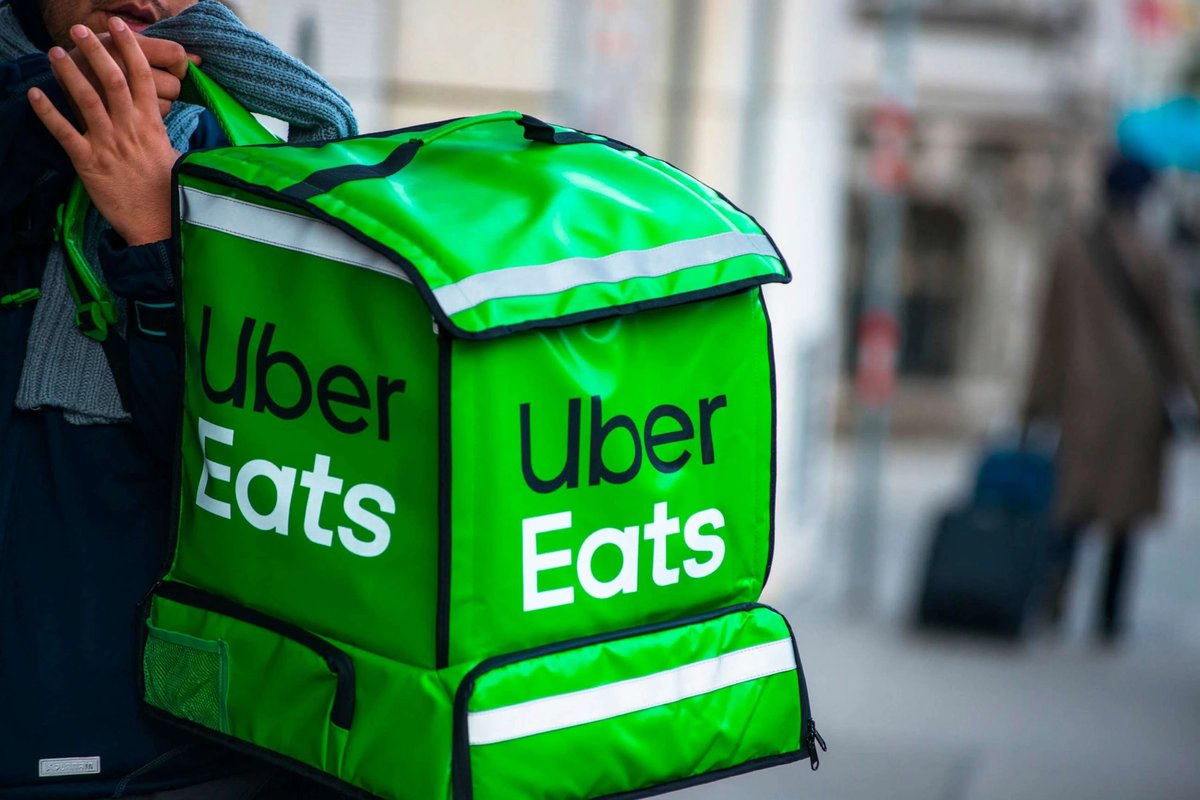
As a seasoned journalist and subject-matter expert, I've seen countless side hustles rise and fall. Few have captured the public's imagination quite like food delivery. But for those behind the wheel, the question isn't just "Can I make money?" It's When Uber Eats is Worth It (and When It's Not). This isn't a simple yes or no answer; it's a dynamic equation influenced by your location, driving habits, and even the type of car you own.
This guide is for you, the potential or current driver, looking for an honest, no-fluff assessment of whether putting miles on your car for Uber Eats truly pays off. We'll cut through the hype and dive into the practical realities, so you can make an informed decision for your financial goals.
At a Glance: Should You Drive for Uber Eats?
Here's a quick rundown to help set your expectations:
- Average Earnings: Expect to earn roughly $12-$20 per hour, though this varies significantly by city, time of day, and strategy. Some drivers report higher in busy markets.
- Flexibility is Key: You set your own hours, making it ideal for a side hustle, students, or those needing a highly adaptable schedule.
- Ideal Candidate: Someone who enjoys driving, has a reliable vehicle, lives in a medium to large urban area, and is looking for supplemental income.
- Not Ideal For: Drivers seeking a stable, guaranteed hourly wage, or those in very rural areas with low demand.
- Hidden Costs: As an independent contractor, you're responsible for gas, maintenance, taxes, and other vehicle-related expenses. Tracking these is crucial.
- Strategy Matters: Smart drivers maximize earnings by working peak hours, stacking orders, and even combining Uber Eats with other delivery apps or ridesharing.
The Uber Eats Driver's Landscape: What It Is (and Isn't)
Uber Eats isn't just a delivery service; it's a vast global network connecting millions of customers to thousands of restaurants. As a driver, you're the crucial link in that chain. You're an independent contractor, not an employee, which means you have immense freedom but also bear all the responsibilities of running a small business.
You use your own vehicle—be it a car, scooter, bike, or even just your feet in dense urban centers—to ferry meals and everyday essentials from local eateries and stores directly to customers' doors. This gig economy model provides a level of autonomy that traditional jobs rarely offer. You decide when to log on, where to drive, and which orders to accept. But with that freedom comes the need for self-discipline, financial acumen, and a strategic approach to maximize your time and effort.
Show Me the Money: What Uber Eats Drivers Really Earn
Let's talk numbers. The average Uber Eats driver typically pulls in between $12 and $20 per hour. However, this figure is a moving target. In bustling metropolitan areas like Toronto, for instance, drivers might see $15-$25 an hour, with peak dinner rushes pushing earnings even higher, sometimes around $20 an hour.
Your actual hourly wage is a mosaic of several factors:
- Market Dynamics: Big cities with high demand and dense populations generally offer more opportunities and potentially higher base fares.
- Delivery Volume: How many deliveries can you realistically complete in an hour? Efficiency is your friend.
- Tips: This is often the biggest variable and a critical component of your take-home pay. Uber Eats allows drivers to keep 100% of their tips.
- Promotions: Uber Eats frequently offers incentives during busy periods or for completing a certain number of deliveries.
The beauty of the system is the transparency: before you accept an order, the app usually provides an estimated payment, distance, and restaurant/customer location. This allows you to cherry-pick orders that seem most profitable, aligning with the core principle of when Uber Eats is worth it.
How Your Paycheck Breaks Down
When you complete a delivery, your earnings aren't just one lump sum. They're calculated from several components:
- Base Fare: This is the foundational payment, factoring in pickup and drop-off points, estimated time, and distance. It's the stable core of every delivery.
- Trip Supplement: Sometimes, a delivery takes longer or covers more distance than initially anticipated. Uber Eats may add a trip supplement to account for these unforeseen circumstances, helping to offset the extra effort.
- Promotions: These are your bonus opportunities.
- Surge Pricing: During high-demand times (think rainy evenings, major events, or peak meal times), prices "surge" in certain areas, meaning you earn more for deliveries originating from those zones.
- Boost Pay: Uber Eats might offer a multiplier on your earnings in specific areas or times, enticing more drivers to log on when demand is expected to be high.
- Tips: As mentioned, you keep 100% of your tips. A positive customer experience, quick delivery, and clear communication can significantly boost your tip income. Many drivers find that good tips can turn a mediocre hour into a great one.
Getting Paid: Weekly vs. Instant Cash
Uber Eats offers two main ways to receive your earnings:
- Weekly Payouts: Your earnings from Monday through Sunday are typically processed and paid out on Monday. This is the standard, no-fee option.
- Instant Pay: For a small fee (currently $0.85 per withdrawal), you can cash out your earnings almost immediately, usually depositing into your linked bank account within minutes. This feature is incredibly useful for managing cash flow, especially if you need money quickly.
Before You Hit the Road: Meeting Uber Eats Requirements
Before you can even think about accepting your first order, you need to clear a few hurdles. These requirements ensure a baseline of safety and reliability for both customers and the platform.
- Age: You must be at least 19 years old to drive a car for Uber Eats. If you're planning to deliver by bicycle or scooter, the minimum age is 18.
- Driver's License: A valid driver's license that you've held for at least one year is a must.
- Vehicle Insurance: Your car must be insured, and your name needs to be explicitly listed on the insurance policy. This protects you, the customer, and Uber in case of an accident.
- Vehicle Requirements:
- Generally, your car needs to be a 2 or 4-door vehicle.
- It should be no older than 20 years.
- It must be in good working condition, free of any significant cosmetic damage.
- Keep in mind that specific vehicle requirements can vary by city, so it's always wise to check your local Uber Eats guidelines.
- Background Check: Like most gig economy platforms, Uber Eats requires you to pass a background check. This typically reviews your driving record and criminal history to ensure you meet their safety standards.
Meeting these requirements is the first, non-negotiable step toward determining if Uber Eats is even an option for you, let alone whether it's worth it.
Your First Deliveries: A Step-by-Step Guide
Once you're approved and ready to roll, the process of making deliveries is straightforward. The Uber Eats app is designed to guide you through each stage, but knowing what to expect can ease those first-day jitters.
- Set Your Status: Open the Uber Eats app and adjust your driver settings to indicate you're available for delivery requests. You can often choose to only receive delivery requests, or combine them with passenger pickups if you also drive for Uber rideshare.
- Receive an Order Request: When a customer places an order, you'll receive a notification on your phone. This request will display crucial information:
- The restaurant's name and location.
- A preview of the order contents (sometimes just the number of items).
- The estimated distance to the customer.
- The estimated payment for the trip.
This is your moment to decide. If the pay seems too low for the distance, or the pickup location is inconvenient, you can decline the order without penalty. This ability to choose is a key factor in how drivers make Uber Eats worth their time.
- Head to the Restaurant: If you accept an order, the app will navigate you to the restaurant. Once there, clearly state you're an Uber Eats driver, and confirm the customer's name and order number. The food is already paid for, so no transactions are needed on your end. If the food isn't ready, update your status in the app to keep the customer informed. A quick message like "Just waiting on your delicious meal!" can go a long way.
- Pick Up and Prepare: Once you have the food, carefully verify it's the correct order. Use any insulated bags you have (highly recommended!) to keep hot food hot and cold food cold, ensuring quality for the customer.
- Deliver to the Customer: The app will provide the customer's exact location and any specific delivery instructions (e.g., "Leave at door," "Meet me outside").
- Contactless Deliveries: For "Leave at door" orders, simply place the food in a safe spot, snap a photo (often prompted by the app), and send a quick message to the customer confirming delivery.
- In-Person Deliveries: For orders requiring a hand-off, try to arrive a few minutes before the estimated drop-off time. A courteous greeting and a smile can make a difference.
- Confirm Delivery & Get Paid: Once the food is safely with the customer, mark the order as complete in the app. Your earnings for that trip will immediately be added to your account balance.
Maximizing Your Earnings: Smart Strategies for Drivers
Driving for Uber Eats isn't just about putting miles on your car; it's about smart strategy. The difference between struggling to hit $12/hour and comfortably exceeding $20/hour often comes down to how efficiently you work.
Drive During Peak Hours
This is perhaps the most fundamental and impactful strategy. Just like waves on a beach, demand for food delivery ebbs and flows throughout the day. Your goal is to ride the high tide.
- Lunch Rush: Generally 11:00 AM to 2:00 PM on weekdays, especially in business districts.
- Dinner Rush: Typically 5:00 PM to 9:00 PM every day. This is often the busiest and most lucrative window.
- Late-Night/After-Bar: Weekends, particularly Friday and Saturday nights, can see high demand from customers wanting post-bar snacks or late-night meals.
- Weekend Breakfast/Brunch: Sunday mornings and early afternoons can be surprisingly busy, especially in residential areas.
- Bad Weather: Rain, snow, or extreme heat often means more people order in, leading to higher demand and potential surge pricing.
By focusing your driving hours on these high-demand periods, you increase your chances of receiving back-to-back orders, benefiting from promotions, and ultimately making more money per hour.
Stack 'Em Up: Efficiently Handling Multiple Orders
One of the most effective ways to boost your earnings is by taking advantage of "stacked orders." This happens when Uber Eats offers you a second delivery request while you're already en route to pick up or drop off another. The key is to assess if the additional order makes logistical sense.
- Proximity is Key: Stacked orders are most profitable when the second pickup restaurant is very close to your current location or along your existing route, and the drop-off is also nearby.
- Time Management: Be mindful of delivery times. While stacked orders increase earnings, they can also increase the risk of delayed deliveries if not managed carefully. Always prioritize the first customer's estimated delivery time.
- The Power of Short Distances: Accepting two short, well-paying deliveries back-to-back is often more profitable than one long, moderately paying trip.
The Multi-App Advantage: Don't Put All Your Eggs in One Basket
Why limit yourself to just one platform? Many successful drivers leverage multiple delivery apps simultaneously, such as DoorDash, Grubhub, or Instacart, in addition to Uber Eats.
- Reduce Downtime: If Uber Eats is slow, you can pause it and switch to another app, minimizing the frustrating "waiting for an order" periods.
- Cherry-Pick the Best: You can compare offers across different apps and choose the most lucrative one available at any given moment. This puts you firmly in control of your earnings.
- Increased Opportunity: More apps mean more potential orders, especially during non-peak hours when a single app might struggle to provide consistent requests.
Just remember to manage your active apps carefully. Only accept one delivery at a time across all platforms to avoid conflicts and ensure timely service.
Consider a Bike or Scooter in Urban Jungles
In densely packed urban centers, a car can quickly become a liability due to traffic, parking challenges, and high gas costs. For these environments, delivering by bicycle or scooter can be a game-changer.
- Lower Operating Costs: No gas, significantly less wear and tear, and cheaper maintenance mean more of your earnings stay in your pocket.
- Speed and Efficiency: Bypassing traffic jams and easily finding parking (or not needing it at all) can allow you to complete deliveries faster, increasing your hourly order count.
- Environmental Benefits: A nice bonus if you're looking to reduce your carbon footprint.
This option truly makes Uber Eats worth it for those who live in suitable urban areas and enjoy an active way to earn.
The Uber Combo: Passengers and Pizza
If you're already an Uber rideshare driver, or considering becoming one, combining Uber Eats deliveries with passenger pickups can be a powerful strategy.
- Fill the Gaps: When passenger requests are slow, you can switch to delivery mode. Conversely, if food orders dry up, you can accept a passenger trip.
- Consistent Activity: This dual approach significantly reduces idle time, ensuring you're almost always earning something.
- Diverse Income Streams: It allows you to tap into different demand patterns throughout the day. For example, lunch might be more delivery-heavy, while late nights lean towards ridesharing.
By applying these strategies, you're not just a driver; you're a strategic entrepreneur, actively shaping your income and maximizing the potential of the Uber Eats platform.
The Double-Edged Sword: Pros and Cons of Driving for Uber Eats
Like any gig, driving for Uber Eats comes with its own set of advantages and disadvantages. Understanding these can help you decide if it aligns with your lifestyle and financial aspirations.
The Perks (Pros)
- Unrivaled Flexibility: This is arguably the biggest draw. You are your own boss. Work whenever you want, for as long as you want. There are no shifts to commit to, no minimum hours, and no one to report to. This makes it perfect for students, parents, retirees, or anyone needing to fit work around other commitments.
- Instant Payouts: The Instant Pay feature offers immediate access to your earnings for a small fee, which can be a lifesaver for managing unexpected expenses or simply having quick access to your cash.
- Combine with Rideshare: For many, the ability to seamlessly switch between Uber Eats deliveries and Uber passenger trips means less downtime and a more consistent income stream, especially during off-peak hours for one service or the other.
- Low Barrier to Entry: The requirements are relatively straightforward, making it accessible to a wide range of individuals seeking a flexible income source.
- Clear Earning Estimates: Seeing the estimated pay and route before accepting an order empowers you to choose only the most profitable trips, optimizing your time.
The Challenges (Cons)
- Tax Implications: As an independent contractor, you're solely responsible for your own self-employment taxes (Social Security and Medicare), which is roughly 15% of your net earnings, in addition to income tax. This often catches new drivers by surprise.
- Vehicle Costs: This is the most significant hidden expense. Gas, oil changes, tire rotations, brake jobs, depreciation, and even the occasional dent—it all comes out of your pocket. These costs can eat heavily into your gross earnings.
- Fluctuating Pay Rates: While the average hourly rate is decent, there's no guarantee. Some hours can be incredibly slow, leading to meager earnings. Competition from other drivers, especially in saturated markets, can also drive down available pay.
- No Benefits: As an independent contractor, you don't receive employee benefits like health insurance, paid time off, retirement plans, or worker's compensation. You're on your own for these.
- Customer Service Issues: Dealing with difficult customers, incorrect orders (often the restaurant's fault), or delivery mishaps can be stressful and sometimes impact your ratings.
- Wear and Tear on Your Vehicle: More driving means more wear and tear. Your car will depreciate faster, and you'll incur maintenance costs sooner than someone with a typical commute.
Weighing these pros and cons realistically is essential. The "worth it" factor often hinges on how well you can manage the challenges and maximize the benefits.
Understanding Your True Income: Taxes and Deductible Expenses
This is where the rubber meets the road for independent contractors, and it's often the most overlooked aspect of "Is Uber Eats worth it?" Many new drivers focus solely on their gross earnings, only to be surprised by their tax bill.
The Self-Employment Tax Reality Check
As an independent contractor (you'll receive a 1099-NEC form, not a W-2), you are considered self-employed. This means you're responsible for paying self-employment taxes, which cover Social Security and Medicare. Currently, this rate is around 15.3% on your net earnings (your gross income minus all your business expenses). This is in addition to your regular income tax.
The key takeaway? You need to set aside a portion of every payment for taxes. Many financial advisors recommend saving 25-35% of your gross earnings, depending on your tax bracket, to cover both self-employment and income taxes. Failing to do so can lead to a very unpleasant surprise come tax season.
Expenses That Save You Money: Track Everything!
The good news is that many of your operating costs as an Uber Eats driver are tax-deductible. These deductions reduce your net income, which in turn lowers your tax liability. This is why meticulous record-keeping is non-negotiable.
Here are some common deductible expenses:
- Mileage: This is often the biggest deduction. You can deduct a standard mileage rate (e.g., $0.67 per mile for 2024, subject to change) for every mile you drive for Uber Eats, including miles driven to and from your first/last delivery, between deliveries, and while waiting for orders. You cannot deduct both mileage and actual car expenses (like gas, repairs, etc.)—you choose one. For most drivers, the standard mileage deduction is more advantageous.
- Uber Eats Service Fees: Any fees Uber Eats charges you for using their platform are deductible.
- Parking and Tolls: Costs incurred while on active deliveries are deductible.
- Cell Phone Bill: A portion of your cell phone bill, corresponding to the percentage of time you use it for your Uber Eats business, is deductible.
- Delivery Equipment: Insulated bags, phone mounts, car chargers, and any other gear purchased specifically for your delivery work.
- Roadside Assistance: Fees for services like AAA, if used for your delivery vehicle.
- Car Washes & Cleaning Supplies: Keeping your vehicle presentable (and yourself comfortable) can be a deductible expense.
- Vehicle Maintenance & Repairs: If you choose to deduct actual car expenses instead of mileage, you can deduct a percentage of your repairs, oil changes, tires, etc., based on your business use of the vehicle.
Tools to Make Tax Time Easier
Don't rely on sticky notes or a shoebox full of receipts. Professional tracking is crucial.
- Mileage Tracking Apps: Apps like Everlance or Hurdlr automatically track your mileage, categorize trips, and help you log other expenses. They simplify record-keeping immensely.
- Spreadsheet: A simple spreadsheet can also work for tracking income and expenses if you're disciplined.
- Gas Cashback Apps: While gas isn't directly reimbursed by Uber Eats, apps like Upside (formerly GetUpside) can provide cashback on fuel purchases, effectively reducing your operating costs.
By diligently tracking your income and expenses from day one, you'll have a much clearer picture of your actual take-home pay, allowing you to accurately assess if Uber Eats is financially worth your effort. This proactive approach prevents unwelcome surprises when tax season rolls around.
Is Uber Eats Worth It for You? A Driver's Decision Checklist
So, after all this, how do you determine if joining the ranks of Uber Eats drivers is the right move for your personal situation? It boils down to a few key decision criteria, pulling together everything we've discussed.
When Uber Eats Shines (It's Worth It If...)
- You Need Flexible Supplemental Income: If your primary goal is to earn extra cash on your own schedule, Uber Eats is an excellent fit. It excels as a side hustle, allowing you to fit work around studies, another job, or family commitments.
- You Enjoy Driving and Know Your City: If you genuinely don't mind spending time behind the wheel and have a good sense of navigation within your service area, you'll find the work less draining and more efficient.
- You Live in a Densely Populated Area: Medium to large cities with a high concentration of restaurants and customers mean more orders, less downtime, and often better earning potential due to promotions and surge pricing.
- You Have a Reliable, Fuel-Efficient Vehicle: A car that gets good gas mileage and is cheap to maintain will significantly impact your net earnings. Less money spent on gas and repairs means more money in your pocket.
- You're Prepared for Self-Employment: This includes understanding your tax obligations, diligently tracking expenses, and being proactive about setting aside funds for taxes.
- You're Willing to Implement Smart Strategies: If you're ready to work peak hours, stack orders, potentially use multiple apps, and focus on customer service, you're positioned to maximize your income.
- You Value Autonomy Over Stability: The freedom to choose your hours and assignments is a huge benefit, outweighing the lack of guaranteed hourly pay for you.
When Uber Eats Falls Short (It's Not Worth It If...)
- You're Seeking a Stable, Guaranteed Hourly Wage: Uber Eats offers variable income. There will be slow periods, and your hourly rate will fluctuate. If you need consistent, predictable paychecks, this isn't the right path.
- You Reside in a Rural or Sparsely Populated Area: Low order volume in these regions means more waiting, longer drives between deliveries, and lower overall earnings, making it difficult to justify the time and vehicle expenses.
- Your Vehicle is Old, Unreliable, or a Gas Guzzler: High fuel and maintenance costs will quickly erode your profits. The constant wear and tear can turn your car into a money pit if it's not well-suited for the job.
- You're Unprepared for Tax Obligations: Ignoring the realities of self-employment taxes and deductible expenses can lead to significant financial stress come tax season. If you're not disciplined with record-keeping, your take-home pay will be far less than you anticipate.
- You Dislike Driving or Dealing with Traffic: If the thought of navigating busy streets, finding parking, and putting miles on your car sounds miserable, the "flexibility" won't make up for the inherent frustrations.
- You're Looking for a Full-Time, Benefit-Rich Job: Uber Eats offers none of the benefits typically associated with employment, such as health insurance, paid time off, or retirement contributions.
Ultimately, deciding if Uber Eats is worth it boils down to aligning your personal circumstances and expectations with the realities of the gig. It’s a tool, and like any tool, its value is determined by how effectively you wield it.
Taking the Wheel: Your Next Steps as a Potential Uber Eats Driver
If, after weighing the pros and cons and considering your own situation, you feel that Uber Eats aligns with your goals, the next steps are straightforward. Start by reviewing the specific driver requirements for your city on the Uber Eats website. Prepare your vehicle, gather your documents, and be ready to pass the background check.
Once you're approved, approach your first few shifts as a learning experience. Experiment with different hours, observe busy zones, and practice efficient delivery routes. Don't be afraid to decline orders that don't meet your minimum payout expectations. Remember, you're in control.
Crucially, begin tracking your earnings and expenses immediately. This habit will not only simplify tax season but also provide invaluable data to help you continually assess if Uber Eats remains a profitable venture for you. By actively managing your "delivery business" and focusing on strategy, you can transform Uber Eats into a truly worthwhile source of income, on your terms.